
Pruning
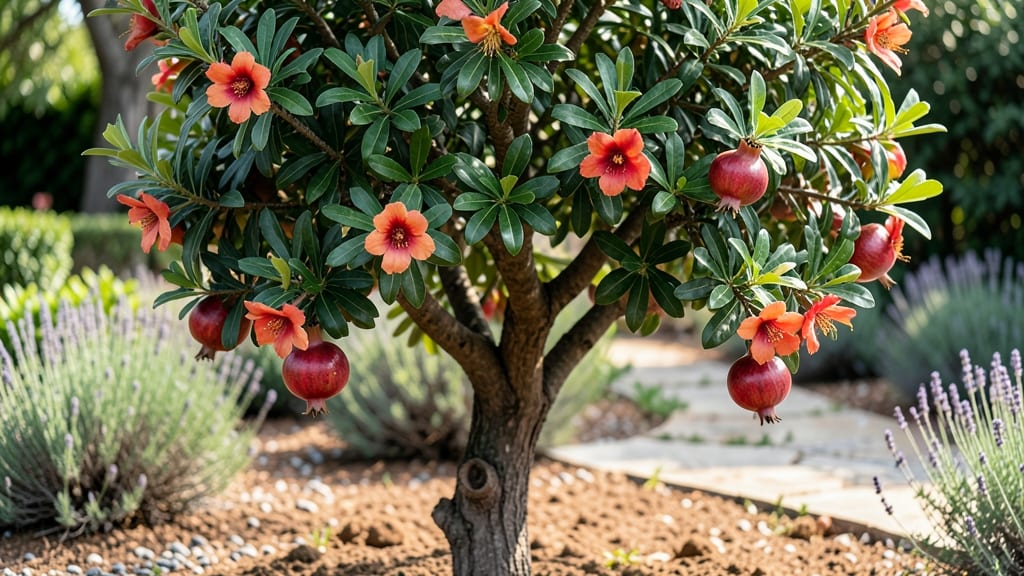
Pomegranate trees in North Carolina typically reach 6 to 12 feet tall, depending on the variety—dwarf types like 'Wonderful' stay under 8 feet, while standard cultivars may exceed 10 feet. NC’s hot summers and mild winters support growth, but late frosts or humidity can stunt height if unprotected.
North Carolina's climate creates ideal conditions for pomegranates, but the state's variable frost dates and humidity levels mean height outcomes vary significantly. 🌿 For instance, the 'Wonderful' variety thrives in NC's Zone 7b-8a but rarely exceeds 7 feet without aggressive pruning, while 'Mollar de Elche' can grow taller but needs winter protection from unexpected cold snaps.
The key to managing height lies in understanding your specific microclimate—coastal areas with milder winters often produce taller trees than inland regions.
Most gardeners in NC find that regular pruning in late winter (after the last frost) helps control growth while encouraging fruit production.
I recommend removing any branches that develop below the 3-foot mark—this opens up the canopy for better airflow and sunlight penetration, which is critical during NC's humid summers.
For varieties prone to excessive height, like 'Crimson Jewel,' I've seen success with a 30-40% annual pruning to maintain a manageable size while maximizing fruit yield.
💡 In This Article
- How NC Climate Affects Pomegranate Tree Growth Height
- Best Low-Maintenance Pomegranate Varieties for NC Gardens
How NC climate affects pomegranate tree growth height
North Carolina's USDA hardiness zones—primarily 7b-8a—create a Goldilocks environment for pomegranates, but the devil lies in the details. These trees thrive in zones where winters dip to 10-15°F but rarely stay cold for long.
The key limiting factor is late spring frosts (after buds swell) which can scorch new growth, stunting height.
For example, Raleigh's Zone 7b averages 200 frost-free days, while Wilmington's Zone 8a enjoys 250+ days—this extra growing season can add 1-2 feet to mature tree height when conditions are ideal.
The state's humid summers (70-80% relative humidity) also play a surprising role. Pomegranates prefer well-draining soil with pH 6.0-7.5, but when humidity spikes above 80% for prolonged periods, fungal diseases like powdery mildew can stress trees, diverting energy from vertical growth.
I've noticed that unchecked mildew on 'Wonderful' varieties in eastern NC can reduce mature height by 15-20% compared to trees grown in drier inland areas. The solution? Plant in full sun with 3-4 feet of spacing between trees to maximize airflow.
Heat tolerance becomes critical during NC's 90°F+ summers. Pomegranates actually prefer warm days (ideal range: 85-95°F) but need cooler nights (60-70°F) for proper fruit development.
When summer nights stay above 75°F for weeks (common in the Piedmont region), trees may produce fewer flowers the following spring, indirectly limiting height potential. This is why coastal varieties like 'Eversweet' often grow taller—their proximity to the ocean creates that perfect nighttime temperature drop.
Seasonal adjustments matter more than most gardeners realize. The real growth spurt happens between May and September, when days are longest. During this window, trees can add 12-18 inches per year if given proper care.
However, if you're in western NC where summers are shorter, expect 8-12 inches annual growth. The trick is to provide consistent moisture (1-2 inches per week) during these critical months while avoiding overhead watering that promotes fungal growth.
One often-overlooked factor is soil temperature. Pomegranate roots need soil temps above 60°F to establish properly. In NC's cooler spring months, this means waiting until mid-April to plant bare-root trees.
I've seen cases where impatient gardeners plant too early, resulting in stunted root systems that never catch up—limiting both height and fruit production. For container-grown trees, use black plastic mulch to warm soil 5-10°F faster than bare ground.
Consider these microclimate variations when selecting varieties:
- Coastal NC (Zones 8a-8b): Can support taller varieties like 'Mollar de Elche' (up to 12 feet) due to milder winters and longer growing seasons
- Piedmont (Zone 7b): 'Wonderful' typically maxes at 7-8 feet without winter protection due to more frost risk
- Mountain regions (Zone 7a): Expect 50% reduced height unless using cold-hardy varieties like 'Russian Red'
Pro tip: Monitor your local last frost date (typically late March to early April in NC) and adjust planting timing accordingly. The 30 days before last frost rule works well for container-grown trees, while bare-root planting should happen 4-6 weeks before to allow root establishment before active growth begins. 🌱