
How To
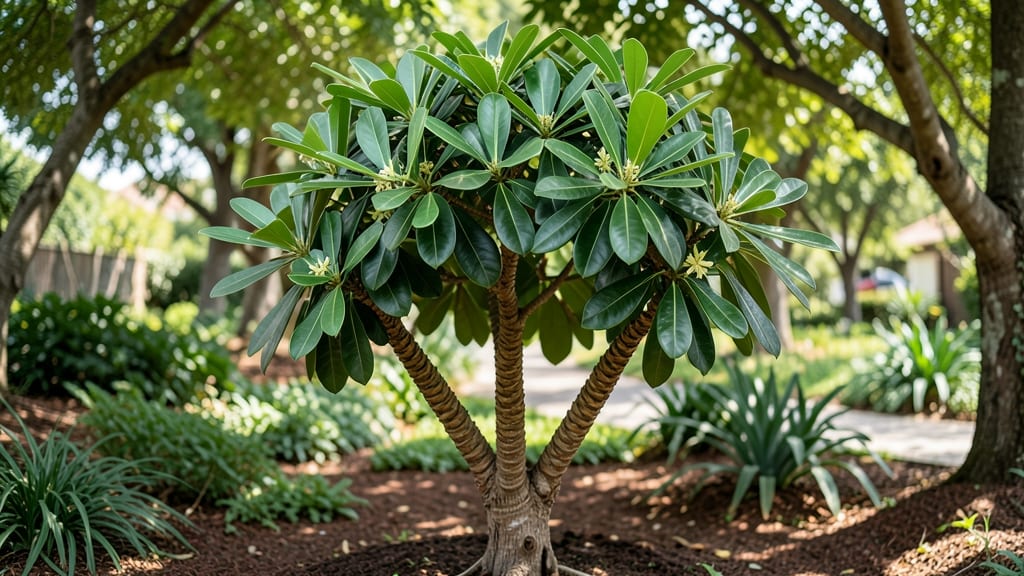
A money tree how tall do they grow? They typically reach heights between 3 and 10 feet, depending on its variety and care—indoor plants often stay shorter while outdoor tropical varieties can stretch skyward.
Picture this: your once-tiny 🌿 Money Tree now reaching for the ceiling, its braided trunk twisting toward the light. That’s not just a growth spurt—it’s a plant that thrives with the right conditions, and without them, it can become unruly.
Whether you’re dealing with a compact bonsai-style variety or a fast-growing outdoor specimen, understanding what influences its height is the key to keeping it manageable. Light, pruning, and pot size all play a role in whether your Money Tree stays a tabletop centerpiece or turns into a small tree.
In this guide, you’ll learn how to predict your Money Tree’s mature height, control its growth with simple care tips, and avoid common mistakes that lead to towering, top-heavy plants. Let’s get started.

Money tree mature heights by variety: how tall can each type grow?
The money tree (Pachira aquatica) is a tropical favorite, but its height varies dramatically based on its variety and growing conditions. While some varieties stay compact and manageable indoors, others can grow into towering houseplants or even small trees outdoors.
Understanding these differences helps you choose the right type for your space and manage its growth effectively.
Indoor money trees typically reach 3–6 feet tall with proper care, but outdoor specimens in tropical climates can soar to 10–15 feet. The key factors influencing height include pruning habits, pot size, light exposure, and variety selection.
Let’s explore the most popular types and their mature heights to help you plan for your own money tree’s future.
🌿 Variety matters most—some money trees are bred to stay small, while others grow aggressively if left unchecked. Below, we’ll break down the heights of common varieties, including the iconic braided money tree and dwarf bonsai types, so you can pick the perfect fit for your home or garden.
The standard money tree is the most common variety, often reaching 3–6 feet indoors with regular pruning. If you love its lush green leaves but want to keep it manageable, this is the best choice for most homes. Without pruning, it can grow taller, especially in bright indirect light.
For a bold visual statement, the braided money tree is a top pick. Its twisted trunk adds drama, but it also grows taller—expect 4–7 feet indoors if you enjoy its natural shape.
Outdoors in tropical climates, braided varieties can reach 8–12 feet, making them stunning patio or garden trees.
If you’re working with limited space, dwarf money trees are perfect. These bonsai-style varieties stay between 2–3 feet tall and grow slowly, making them ideal for desks or shelves. They require more attention to pruning and smaller pots to maintain their compact size.
Outdoor money trees thrive in USDA Zones 10–12 and can grow much taller than their indoor counterparts. In ideal conditions, they may reach 10–15 feet, especially if planted in the ground rather than a container. However, they’re frost-sensitive, so outdoor cultivation is limited to warm climates.
Light exposure plays a huge role in height. Money trees grown in low-light conditions tend to stretch toward light sources, becoming leggy and taller.
To keep your plant stocky and healthy, place it near an east or north-facing window where it gets bright indirect light for 4–6 hours daily.
Pot size also affects growth—smaller pots restrict root expansion, which slows height growth. If you want a compact money tree, choose a pot that’s only slightly larger than its root ball.
For faster growth, upgrade to a 12–16 inch pot, but be prepared for taller results over time.
Pruning is the easiest way to control height. Simply trim back leggy stems in early spring to encourage fuller growth. You can also prune to shape the tree or create a multi-trunk look, which is popular in bonsai-style money trees.
Just avoid heavy pruning in winter, as the plant needs time to recover.
How to control money tree height: pruning, light, and care tips
Your money tree (Pachira aquatica) can grow into a stunning indoor statement piece—but without control, it might outgrow your space faster than you expect. The key to managing its height lies in pruning techniques, light exposure, and pot selection.
With the right approach, you can keep your money tree at your desired height while ensuring it stays healthy and vibrant.
Most money trees reach 3–6 feet indoors when pruned regularly, but unpruned varieties can surge to 6–10 feet in ideal conditions. The good news? You don’t need to sacrifice its health to keep it compact.
By adjusting light levels, fertilizer use, and pruning timing, you can guide its growth naturally. Let’s dive into the best methods to maintain your money tree’s height without stressing the plant.
Start with pruning—the most effective way to control height. The best time to prune is early spring, just as new growth begins. Use clean, sharp pruning shears to cut just above a leaf node (where leaves grow).
This encourages bushier growth and prevents leggy stems. For a braided money tree, prune the longest braid to maintain balance, as uneven growth can make the braids look uneven over time.
Light exposure plays a critical role in height control. Money trees thrive in bright, indirect light but will stretch toward windows if light is insufficient—a condition called etiolation. Place your plant 2–3 feet from an east or north-facing window for optimal growth.
If your space lacks natural light, supplement with a grow light for 12–14 hours daily to prevent rapid height spikes. Avoid south-facing windows, as direct sunlight can scorch the leaves.
Pot size also influences height. A too-large pot encourages root growth but can lead to leggy stems as the plant searches for stability. Choose a pot that’s only 1–2 inches larger in diameter than the root ball.
If your money tree is outgrowing its pot, repot in spring using a well-draining cactus/succulent mix to support compact growth. Always use a pot with drainage holes to prevent root rot, which weakens the plant and can cause erratic growth patterns.
Finally, avoid common mistakes like over-fertilizing or underwatering, both of which can cause sudden height surges. Fertilize only during spring and summer with a balanced 10-10-10 formula, and water deeply every 7–10 days (allow the top inch of soil to dry between waterings).
With these adjustments, your money tree will grow at a steady, manageable pace while staying lush and full.