
Pruning
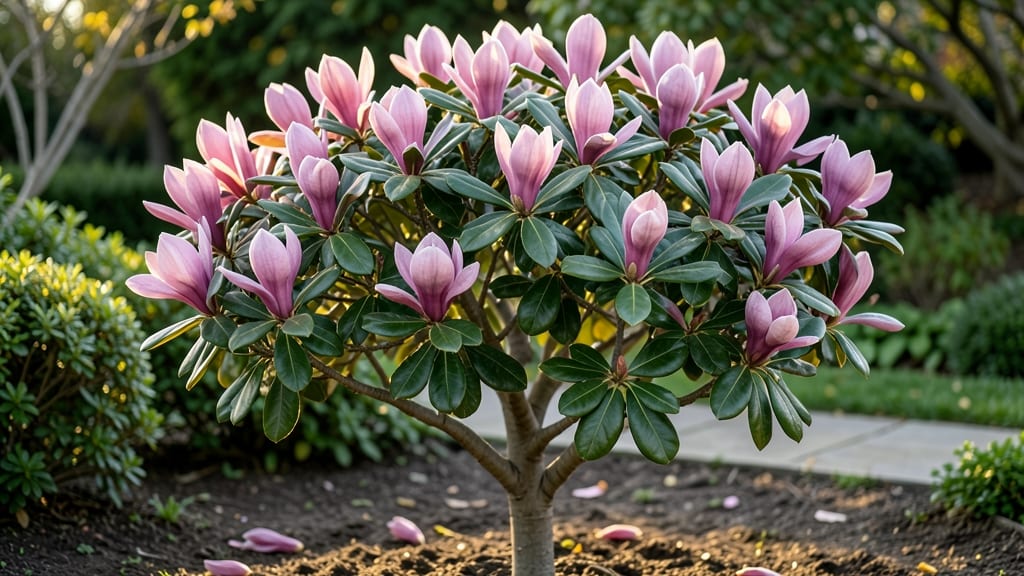
Magnolia trees thrive in Seattle’s climate, with cold-hardy varieties like Saucer Magnolia and Star Magnolia perfect for USDA Zones 7-9. Opt for disease-resistant types, plant in well-draining soil, and shield from strong coastal winds. Their stunning spring blooms fade quickly—prune after flowering to encourage healthy regrowth.
Seattle’s cool, damp summers and mild winters create ideal conditions for magnolias to flourish, but the city’s frequent rain and wind demand careful selection. 🌿 The Star Magnolia stands out for its early spring blooms and compact size, while Saucer Magnolia offers bold, fragrant flowers that thrive in partial shade.
Planting in slightly acidic, well-draining soil prevents root rot—a common issue in Seattle’s heavy clay. I’ve found that adding a thick layer of organic mulch helps maintain moisture while protecting roots from temperature swings.
One key advantage of magnolias in Seattle is their resilience against pests that plague other trees.
However, the high humidity can encourage fungal issues like powdery mildew, so proper air circulation is crucial. 💫 For best results, plant magnolias near a windbreak like a fence or larger evergreens, and avoid overwatering.
With the right care, these trees can become stunning focal points in Pacific Northwest gardens for decades.
💡 In This Article
- Seattle’s Best Magnolia Varieties for Cold-Wet Climates
- Planting and Caring for Magnolias in Pacific Northwest Gardens
Seattle’s best magnolia varieties for cold-wet climates
Seattle’s maritime climate—with its cool, damp summers and mild winters—actually makes it an ideal region for certain magnolia varieties, though the key is selecting types that tolerate consistent moisture and occasional wind.
The Star Magnolia (Magnolia stellata) is a top performer here, thanks to its compact size (15-20 feet tall) and early spring blooms that appear before leaves emerge. Its delicate, star-shaped flowers open in late winter or early spring, often when other trees are still dormant.
This variety thrives in Zone 7-9, making it perfect for Seattle’s Zone 8 climate, and its glossy dark green leaves provide year-round interest.
For those seeking bold visual impact, the Saucer Magnolia (Magnolia × soulangeana) delivers stunning, cup-shaped blooms in shades of pink, purple, or white, typically from late winter to early spring.
These flowers can reach 8-10 inches wide and are highly fragrant, adding a sensory delight to Seattle’s often gray spring days. Saucer magnolias grow 20-30 feet tall and prefer partial shade, which helps protect their tender new growth from the city’s occasional wind gusts.
Their larger size makes them ideal as specimen trees in spacious gardens or along driveways.
If you prefer a more subtle but equally hardy option, the Yulan Magnolia (Magnolia denudata) offers delicate white flowers with a subtle lemony fragrance that blooms in late winter or early spring.
This variety is particularly well-suited to Seattle’s climate because it tolerates moist, acidic soil better than many other magnolias. It grows 15-25 feet tall and has a more refined, almost weeping habit, making it a great choice for smaller gardens or as a focal point in shaded areas.
Its ability to handle cooler temperatures also makes it a reliable performer in Seattle’s Zone 8 conditions.
The choice between these varieties often comes down to size preferences and fragrance. Star Magnolias excel in smaller spaces and offer early blooms, while Saucer Magnolias provide dramatic visuals and strong scents. Yulan Magnolias strike a balance with their elegant appearance and adaptability to Seattle’s wetter conditions.
All three varieties benefit from planting in well-draining soil amended with organic matter, which helps prevent root rot—a common issue in Seattle’s heavy clay soils. 🌸
One critical factor in Seattle’s climate is wind protection. While magnolias are generally wind-tolerant, young trees or those planted in exposed areas may suffer from branch damage or stunted growth.
Planting near a fence, larger evergreens, or even a well-placed shrub barrier can shield them from the city’s frequent coastal winds.
Additionally, these varieties all benefit from partial shade, especially in the afternoon when Seattle’s sun can be intense, helping to prevent leaf scorch while still allowing enough light for healthy growth.
Fragrance is another key differentiator. Star Magnolias have a light, sweet scent, while Saucer Magnolias emit a more robust, almost spicy fragrance that can fill a garden. Yulan Magnolias offer a unique citrusy aroma that pairs beautifully with spring blooms like daffodils and tulips.
If you’re planting near patios or seating areas, consider the Saucer Magnolia for its intoxicating scent, but if you prefer a more subtle presence, the Yulan’s delicate fragrance might be more your style.
For gardeners in Seattle, the best time to plant magnolias is in early fall or late winter, allowing the roots to establish before the first heavy rains or summer heat. This timing also helps the tree acclimate to the local climate before the growing season begins.
With the right variety and care, these magnolias can become the centerpiece of your garden, offering stunning blooms, year-round interest, and a touch of the South’s charm right in the Pacific Northwest. ✨