
Flowers
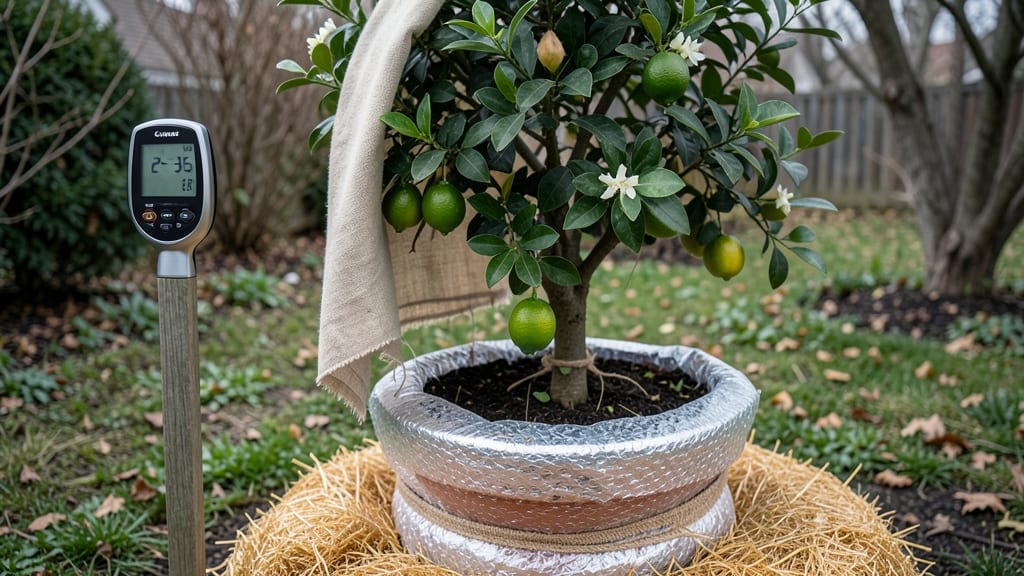
Your lemon tree 🍋 can handle low temperatures if you know the right tricks—some varieties even survive down to 25°F (-4°C) with the right care.
If you love fresh lemons but live in a chilly climate, you might think growing a lemon tree is impossible—but cold-hardy varieties and smart survival strategies can make it a reality.
Whether you're in Zone 6 or pushing the limits of your citrus's tolerance, protecting your tree from frost is all about timing, technique, and a little extra attention.
Most lemon trees struggle below 32°F (0°C), but certain types like 'Meyer' lemons or 'Ponderosa' can handle brief dips into the 20s°F (-6°C) range when properly prepared.
The key is understanding your tree's limits and acting before the first frost hits—mulching, wrapping, or even moving potted trees indoors can mean the difference between a thriving plant and a sad, browned mess.
In this guide, I’ll walk you through the critical temperature thresholds, the best protective measures, and how to spot—and fix—cold damage so your lemon tree bounces back stronger than ever.
Cold-hardy lemon tree varieties that survive low temperatures
Growing a lemon tree in colder climates used to mean resigning yourself to store-bought fruit—but cold-hardy varieties like 'Meyer' and 'Ponderosa' change the game. These resilient citrus trees can withstand temperatures as low as 15°F (-9°C) with proper care, making them perfect for USDA Zones 6-9.
The key lies in selecting the right variety and understanding their frost tolerance limits.
Most traditional lemon trees (Citrus limon) struggle below 28°F (-2°C), but hybrid varieties like 'Improved Meyer' push those boundaries. These trees combine the sweetness of a Meyer lemon with the hardiness of cold-resistant citrus hybrids.
Whether you're in Zone 7a or Zone 8b, these varieties can thrive with the right winter protection strategies.
Below is a comparison of the top 3 cold-hardy lemon varieties and their ability to survive winter chill. Each has unique traits that make them ideal for different climates and growing conditions.
| Variety | Cold Tolerance | USDA Zones | Fruit Characteristics | Growth Habit |
|---|---|---|---|---|
| Improved Meyer Lemon | 15°F (-9°C) | 6-10 | Sweet, thin-skinned, 2-3" diameter | Dwarf, 6-10 ft tall |
| Ponderosa Lemon | 20°F (-7°C) | 8-11 | Large, bumpy, 3-5" diameter | Standard, 15-20 ft tall |
| Eureka Lemon | 25°F (-4°C) | 9-11 (with protection) | Classic, 2-3" diameter, tart | Semi-dwarf, 10-15 ft tall |
The 'Improved Meyer Lemon' stands out as the most cold-hardy option, surviving down to 15°F (-9°C)—a remarkable feat for citrus. This variety is ideal for Zone 6 gardeners who want a dwarf tree that produces sweet, juicy lemons year after year.
Its compact size also makes it perfect for container growing in colder regions.
If you prefer a larger lemon with a unique texture, the 'Ponderosa Lemon' is a fantastic choice. While it requires slightly warmer conditions (Zone 8+), its 20°F (-7°C) tolerance makes it more resilient than traditional lemons.
The bumpy, thick-skinned fruit is prized for its intense flavor and can be used in both cooking and fresh applications.
For those in Zone 9 and above, the 'Eureka Lemon' offers a balance of cold tolerance and classic lemon flavor. With a 25°F (-4°C) threshold, it can handle light frosts but may need winter protection in marginal zones.
Its tart, bright lemons are perfect for baking and preserving, making it a favorite for home gardeners.
When selecting a variety, consider your local climate and growing conditions. Even the hardiest lemon trees benefit from mulching, winter wraps, or indoor overwintering during extreme cold snaps. With the right variety and care, you can enjoy homegrown lemons even in chilly regions.
Pro tip: Pair your cold-hardy lemon tree with microclimate protection, like a south-facing wall or greenhouse, to extend its growing season and boost fruit production. Even a 10°F difference can mean the difference between a thriving tree and a frost-damaged one.
🌱 Ready to grow your own cold-hardy lemon tree? Start by choosing the variety that best fits your USDA Zone and garden space, then prepare for winter with protective measures to ensure a bountiful harvest.
Proven strategies to protect lemon trees from freezing temperatures
When temperatures dip below 25°F (-4°C), your lemon tree faces serious risks like frostbite or even death. But with the right winter care tactics, you can shield your citrus from cold snaps.
Start by understanding your tree's USDA hardiness zone—most lemons thrive in Zone 9b+, but varieties like 'Meyer' lemons can survive down to Zone 8a with protection.
Your first line of defense is preventative measures before the first frost. Mulching the base with 4-6 inches of organic mulch (like straw or wood chips) insulates roots from freezing soil. Pair this with trunk wrapping using burlap or tree wrap to prevent sunscald and cracking during temperature swings.
Step-by-Step Winter Protection for Lemon Trees
- 1
- 2
- 3
- 4
- 5
For potted lemon trees, move them to a garage or basement where temperatures stay above 40°F (4°C). If you must keep them outside, group pots together and cover with insulated blankets or bubble wrap for added warmth.
Avoid plastic wraps, as they trap moisture and promote fungal diseases.
If a hard freeze (below 20°F (-7°C)) is forecasted, act fast. Set up a temporary greenhouse using a clear plastic tent or frost cloth secured with stakes.
Place a dehumidifier inside to prevent condensation, which can damage leaves. Monitor the tree daily and remove covers on sunny days to allow photosynthesis.
After the frost passes, inspect your tree for damaged branches or blackened leaves. Prune back affected areas with sterilized shears to encourage new growth. In Zone 6 or colder, consider overwintering your lemon tree indoors until spring, then gradually acclimate it to outdoor conditions over 2-3 weeks.
With these proactive strategies, your lemon tree can survive even the harshest winters. Remember, preparation is key—start protecting your tree before the first frost hits for the best results. 🌱