
Pruning
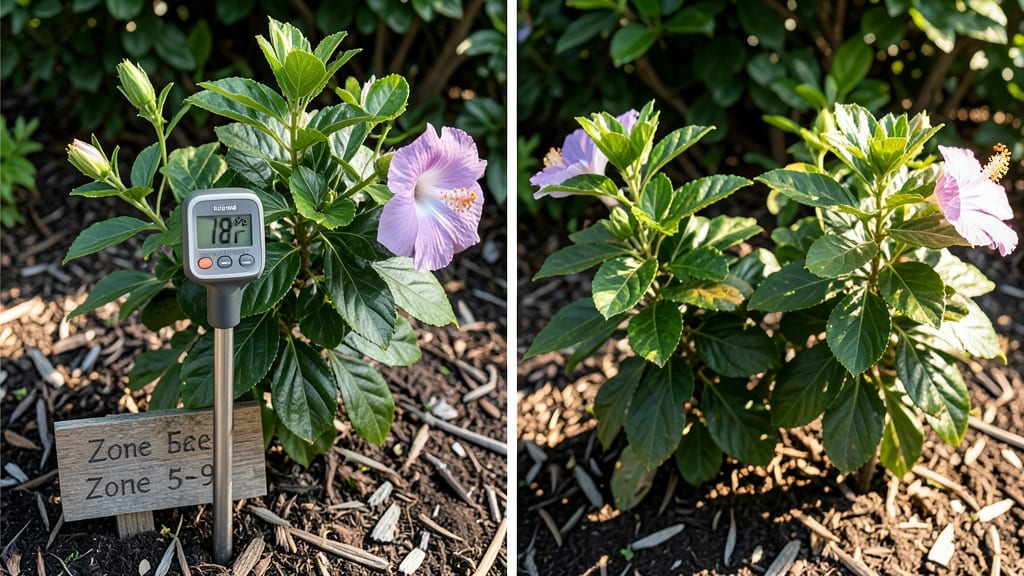
Understanding your hibiscus tree’s temperature tolerance is the key to keeping it thriving year-round, whether you’re battling freezing winters or scorching summers.
Picture this: your 🌺 hibiscus tree wilted overnight after a surprise frost, or its leaves crisped under relentless afternoon sun. These aren’t just bad luck—they’re signs your plant is outside its comfort zone. The right variety and a few smart adjustments can turn survival into stunning blooms.
Most hibiscus trees love warmth but struggle when temperatures dip below 20°F or climb past 95°F. That’s where hardy varieties shine, like the Hibiscus moscheutos, which can handle USDA Zone 5 winters with the right protection. Meanwhile, tropical types need shade and extra water to beat the heat.
Below, I’ll break down the best hibiscus for your climate, how to spot temperature stress, and seasonal tricks to keep your tree happy—no matter what Mother Nature throws at it.
Cold-hardy hibiscus varieties: best trees for freezing temperatures
If you love hibiscus but live in a colder climate, don't despair! While many hibiscus varieties thrive in tropical heat, some stunning species can handle freezing temperatures down to 10°F (-12°C).
The key is choosing the right cold-hardy hibiscus varieties and providing proper winter care. Let's explore the toughest hibiscus trees for chilly zones and how to protect them when winter strikes.
Not all hibiscus trees are created equal when it comes to temperature tolerance. Tropical hibiscus like Hibiscus rosa-sinensis will suffer in freezing weather, but hardy varieties like Hibiscus moscheutos and Hibiscus syriacus can survive harsh winters with the right care.
These varieties have adapted to USDA zones 5-9, making them perfect for gardeners in colder regions who want to enjoy showy blooms year after year.
Here's a comparison of the top cold-hardy hibiscus varieties and their temperature tolerance limits, so you can choose the best one for your climate:
Hibiscus moscheutos is my personal favorite for cold climates because it produces massive blooms up to 12 inches wide! This variety thrives in wet soil, making it perfect for pond edges or moist garden beds. Its deep pink flowers contrast beautifully with green foliage, and it can handle temperatures as low as 10°F (-12°C) with proper winter protection.
The Rose of Sharon (Hibiscus syriacus) is another fantastic choice for freezing temperatures, surviving down to -20°F (-29°C) in USDA zone 4. What makes this variety special is its long bloom season from late summer to fall, providing continuous color when other plants have faded.
Plus, it's drought-tolerant once established, making it low-maintenance for busy gardeners.
For a compact option, consider Hibiscus coccineus, which reaches 4-8 feet tall and produces bright red flowers that hummingbirds adore. This variety handles 15°F (-9°C) and thrives in moist, well-drained soil. It's perfect for smaller gardens or container growing in colder regions.
To help your cold-hardy hibiscus survive winter, start with proper mulching. Apply a 4-6 inch layer of mulch around the base of the plant after the first frost.
Use organic mulch like straw or shredded leaves to insulate the roots. This protects against freezing temperatures and helps retain soil moisture during dry winter spells.
For extra protection in extreme cold, wrap the trunk and branches with burlap or frost cloth before temperatures drop below 20°F (-7°C). Secure the wrap tightly to prevent wind damage and remove it in early spring once new growth appears.
Avoid plastic wraps, as they can cause moisture buildup and root rot.
Pruning plays a crucial role in winter survival. After the last frost
Heat-zone requirements: how high temperatures affect hibiscus growth
Hibiscus trees thrive in warm climates, but not all varieties handle heat the same way. Tropical hibiscus (Hibiscus rosa-sinensis) love 75–90°F temperatures, while hardy hibiscus (Hibiscus moscheutos) tolerate 70–85°F better.
Pushing temperatures beyond these ranges can stress your plant, leading to stunted growth or even death.
When daytime highs exceed 95°F, hibiscus leaves may droop or scorch along the edges. This happens because the plant struggles to regulate its internal temperature. In extreme heat, even well-established hibiscus trees can suffer from transpiration loss, causing wilting despite adequate watering.
To protect hibiscus in heat zones 10+, provide afternoon shade using lightweight shade cloth (30–50%). This prevents leaf burn while allowing 6+ hours of morning sun for energy production. Pair this with daily deep watering—aim for 1–2 gallons per plant—to keep roots cool.
Watch for leaf scorch (brown, crispy edges) or yellowing foliage, which signal heat stress. Prune affected branches immediately to redirect energy to healthier growth. Mulch with organic matter like straw to retain soil moisture and regulate temperature fluctuations.
Hardy hibiscus varieties like Hibiscus syriacus handle heat better than tropical types, but even they need consistent moisture during dry spells. If your hibiscus is potted, move it to a shadier spot during peak afternoon heat (typically 12–4 PM) to reduce stress.
In desert climates, hibiscus may go dormant in summer. Reduce watering slightly but don’t let soil dry out completely. Resume normal care once temperatures drop below 95°F in late summer. With these adjustments, your hibiscus can bloom beautifully even in the hottest zones! 🌿☀️