
Pruning
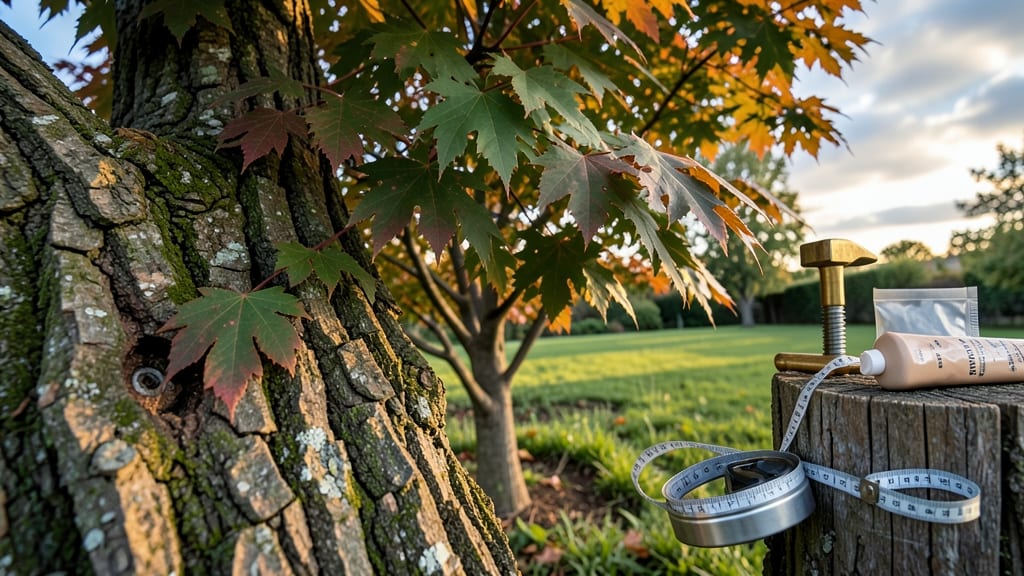
Screwing into a tree can damage it by disrupting sap flow, weakening structural integrity, or creating entry points for pests and disease. Use lag screws, proper spacing, and avoid critical growth zones like the trunk’s cambium layer for minimal harm.
Screws pierce the cambium layer, the tree’s growth engine, which can stunt healing and leave permanent scars. 🌳 Even if the tree survives, the wound creates weak spots where fungi or insects can invade. Younger trees or species like maple are far more vulnerable than hardy oaks or pines.
The best approach is to use lag screws with proper spacing—never closer than 2-3 inches from the trunk or in areas with active sap flow. If you must attach something, consider alternatives like tree straps or non-invasive brackets that distribute weight evenly.
Timing matters too—spring and early summer are the worst times to screw into a tree, as the cambium is most active. 🌿 If you’ve already damaged a tree, prune the wound cleanly with a sharp saw and apply wound dressing (like tree sealant) to reduce infection risk.
For major repairs, consulting an arborist ensures you’re not causing long-term harm to your tree’s health.
💡 In This Article
- How Screws Affect Tree Anatomy and Sap Flow
- Safe Screwing Techniques for Trees Without Harm
How screws affect tree anatomy and sap flow
The cambium layer is a tree’s lifeline—a thin, greenish layer between the bark and wood that produces all new growth. When a screw pierces this layer, it creates a direct wound that disrupts the tree’s ability to transport water and nutrients.
The xylem, which carries water upward, and the phloem, which distributes sugars, become compromised, leading to weakened structural integrity. 🌳 In species like maple or birch, this damage can be catastrophic because their cambium is thin and highly sensitive to injury.
Screws also block the tree’s natural healing process. Unlike humans, trees can’t close wounds with skin—they rely on callus tissue to grow over damaged areas. A screw acts like a permanent foreign object, preventing the callus from fully sealing the wound.
This creates a persistent entry point for pathogens like Armillaria root rot or pests like bark beetles. The severity depends on the screw size: a ¼-inch lag bolt can cause more damage than a ⅛-inch deck screw, especially in softwoods like pine.
Seasonal timing amplifies the risk. During spring and early summer, the cambium is most active, making wounds far deadlier. In winter, when growth slows, the tree can better tolerate minor damage. 🌿 Hardwoods like oak or hickory recover better than softwoods because their dense wood resists rot and insect infestations.
However, even hardwoods can develop compartmentalization decay—a process where the tree isolates the wound but leaves a permanent weak spot in the trunk.
Another critical factor is screw placement. Attaching to the sapwood (outer wood) is less harmful than hitting the heartwood (inner core), but any penetration risks disrupting vascular bundles.
For example, a screw placed 2 inches from the trunk may avoid the cambium, but one driven ½ inch in will almost certainly cause irreversible damage. The deeper the screw, the greater the risk of splitting the wood fibers, especially in older trees with brittle growth rings.
Consider this comparison: A 3-inch lag screw in a 6-inch oak trunk may seem safe, but if it’s placed at a 45-degree angle, it could sever multiple vascular bundles.
The tree’s response varies by species—some, like willows, can regenerate faster, while others, like elms, are prone to Dutch elm disease through any open wound. Always prioritize placement in the heartwood or use non-invasive hardware like tree straps for long-term stability.