
Pruning
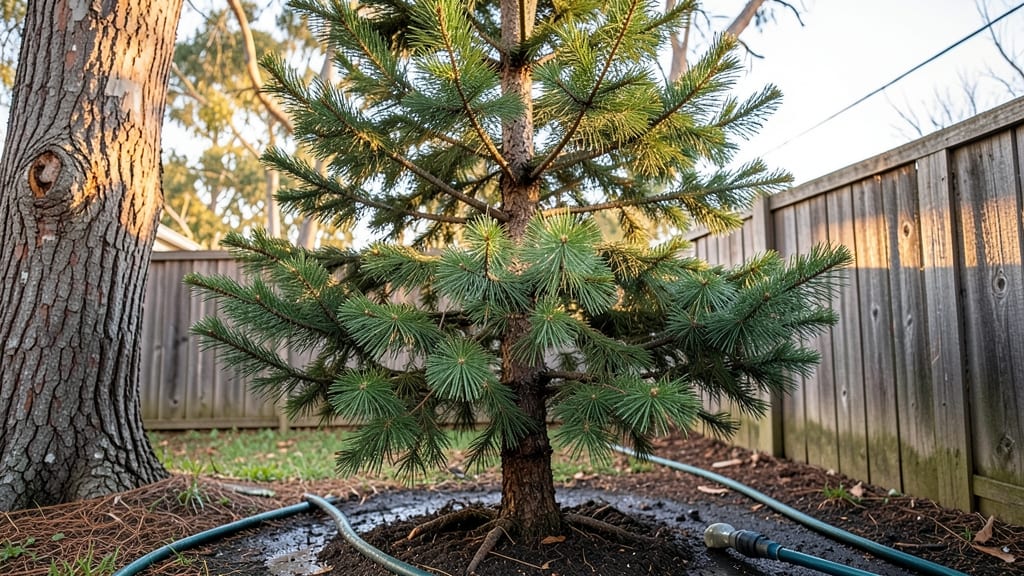
Want your Christmas tree to stay lush and vibrant for years? These pruning secrets from arborists and gardeners will transform your tree into a long-term holiday centerpiece, saving you money and reducing waste.
Topping Pruning for Balanced Growth
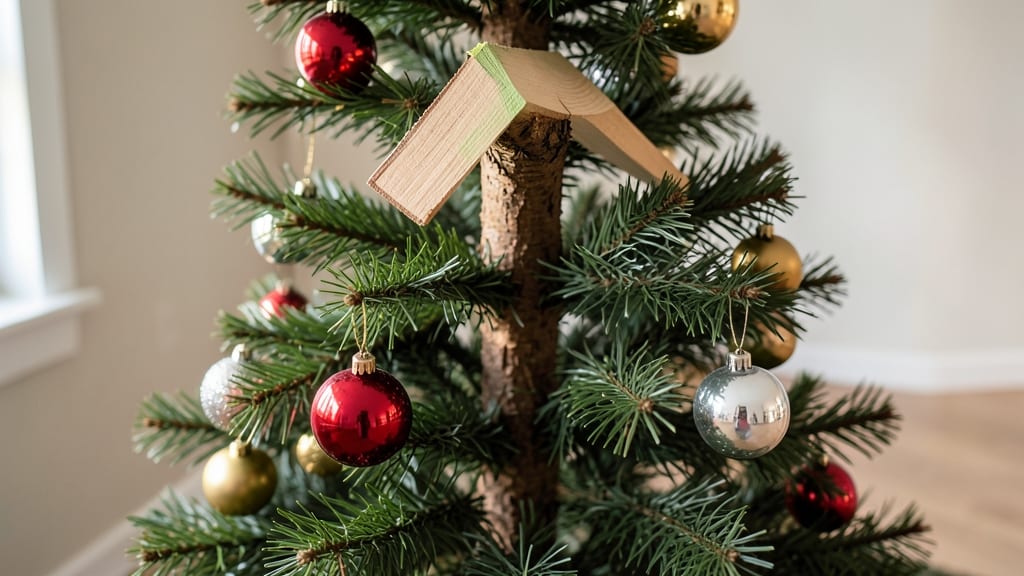
If your young Christmas tree leans dangerously sideways under holiday ornaments, topping pruning is the secret to stabilizing its growth. This technique involves cutting the very top of the tree to redirect energy downward, creating a stronger, more balanced structure that can support decorations for years.
Focus on removing no more than 15-20% of the tree's top during late winter or early spring, just before new growth begins. Use clean, sharp pruners to make cuts just above a bud or branch junction, ensuring the remaining top has a natural, tapered shape. This encourages thicker lower branches that bear more weight, while also preventing the tree from becoming top-heavy.
Homeowners with small yards or container-grown trees will benefit most from this method, as it prevents breakage during annual decorating. With consistent topping pruning, your tree will develop a sturdy framework that keeps ornaments safely in place for decades. ✨
Thinning Out Dense Branches
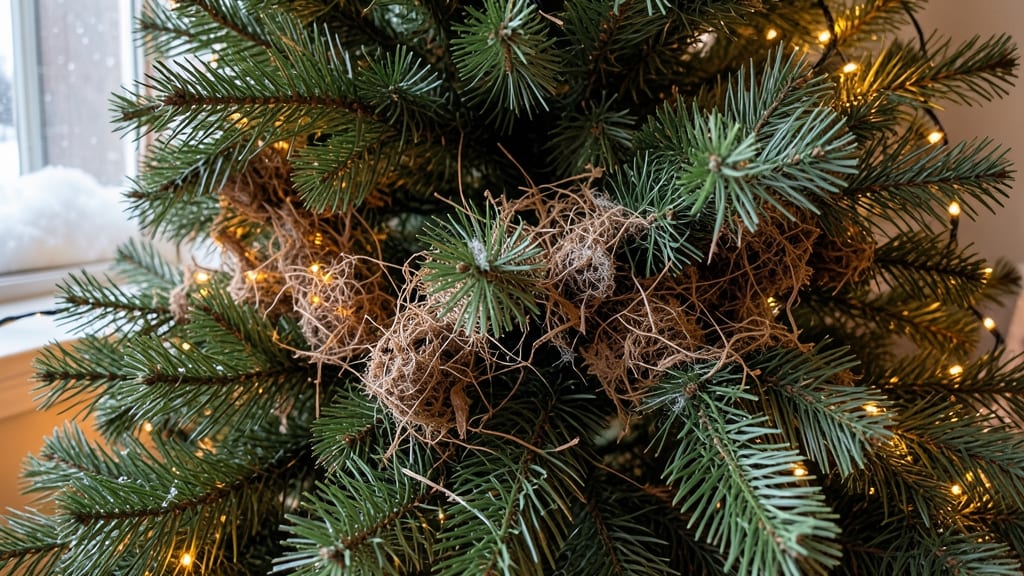
Ever noticed your Christmas tree’s inner branches looking like a tangled mess, with needles browning faster than your holiday cookies? Thinning dense branches is the secret to keeping your tree’s needles vibrant and mold-free for weeks longer—without sacrificing its lush, festive look.
Start by removing overlapping or inward-growing branches that block airflow, using clean, sharp shears to make cuts just outside the branch collar. Focus on the inner canopy first, where moisture lingers and mold thrives. Aim to thin by 20-30%—enough to let light and air circulate, but not so much that the tree loses its fullness. For potted trees, prioritize the lower branches to maintain a balanced silhouette.
This technique isn’t just for show—it’s a game-changer for trees used year after year. Improved air circulation means fewer dry needles and a fresher display, while reducing the risk of pests hiding in dense foliage. Gardeners with small spaces or limited sunlight will see the biggest difference. 🌟
Removing Dead or Diseased Limbs
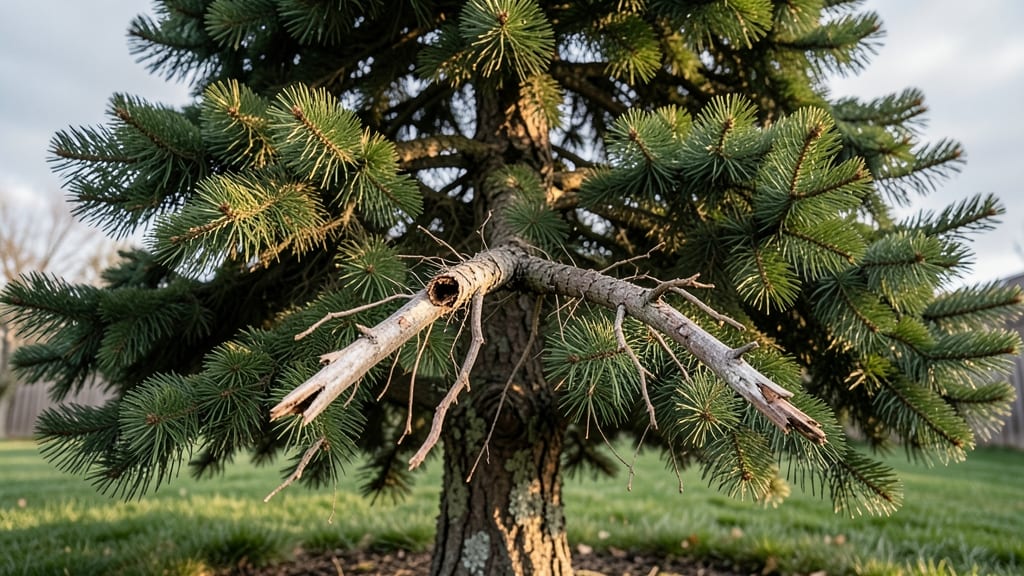
Your Christmas tree’s health starts with a simple but often overlooked step: removing dead or diseased limbs. These hidden threats don’t just spoil the tree’s appearance—they invite pests and diseases that can shorten its lifespan by years, leaving your future holiday decorations hanging on a weakened structure.
Use sterilized pruners to cut limbs at a 45-degree angle just outside the branch collar (the swollen area where the limb meets the trunk). Look for brown, brittle branches, yellowing needles, or oozing sap—these are red flags. Seal larger cuts with pruning paint to prevent infection, and dispose of diseased limbs far from your garden to avoid spreading pathogens.
This proactive step is especially valuable for homeowners who use the same tree year after year. A healthy foundation means more vibrant decorations and fewer surprises when it’s time to hang ornaments. 💪
Selective Tip Trimming for Shape Control
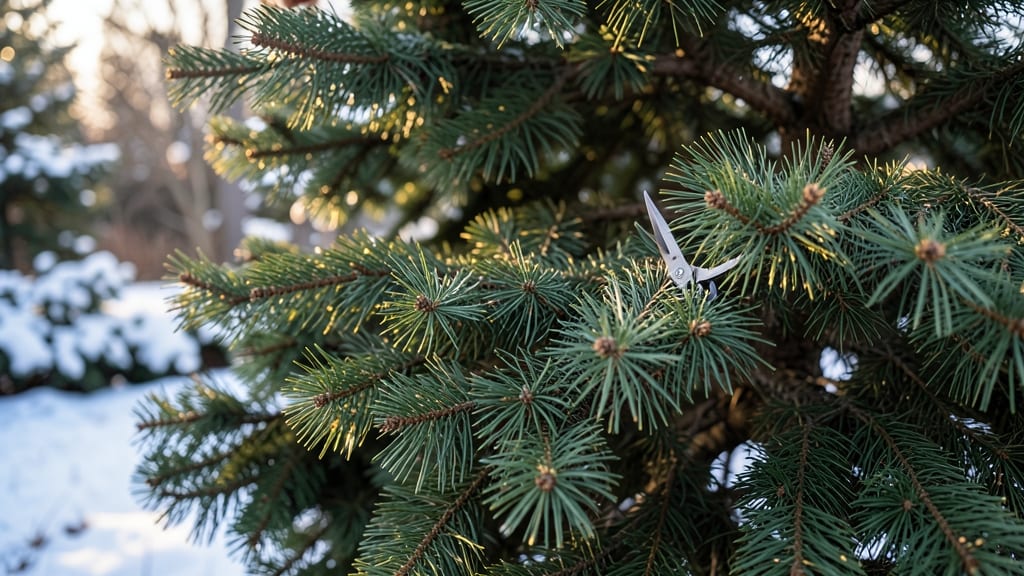
If your Christmas tree looks a little lopsided after years of holiday decorations, selective tip trimming is the gentle solution. Unlike aggressive pruning, this method focuses on shaping the tree's natural silhouette while encouraging denser growth—perfect for trees you decorate annually.
Start by trimming just the tips of branches by 1/4 to 1/3 of their length in early spring, before new growth begins. Focus on the outer edges to create a balanced, symmetrical shape without sacrificing the tree's fullness. Use clean, sharp shears to avoid tearing, and avoid cutting into old growth where needles are sparse. This approach prevents the "bare bottom" look and keeps your tree looking fresh for years.
This technique is especially valuable for potted Christmas trees or those in containers, as it maintains their aesthetic appeal while encouraging stronger branch development. Gardeners who use the same tree year after year will see a noticeable improvement in density and structure, making it the ideal method for preserving holiday charm. ✨
Watering Schedule After Pruning
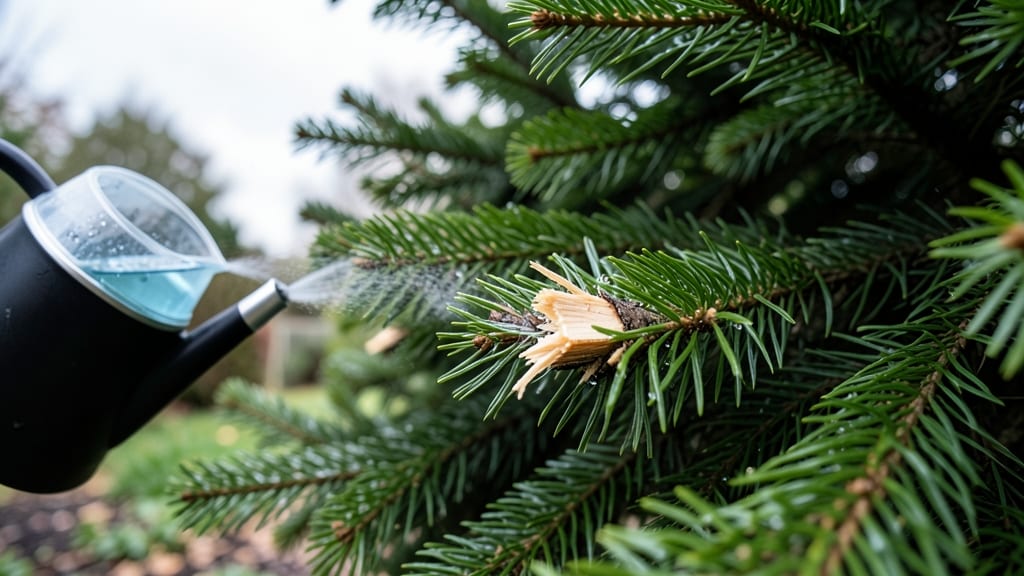
After pruning your Christmas tree, think of hydration as its emergency recovery kit—skipping this step can leave branches vulnerable to stress, especially in drought-prone climates or container-grown trees. The first 48 hours are critical, as pruned areas lose moisture rapidly through exposed cuts, making the tree more susceptible to wilting or even dieback.
For potted Christmas trees, water deeply every 2-3 days until water drains from the bottom, ensuring the root ball stays consistently moist but not soggy. In-ground trees need 1-2 inches of water weekly, but check soil moisture by inserting your finger 2 inches deep—if it’s dry, it’s time to water. Mulch around the base to retain moisture and reduce evaporation, which is especially helpful in hot, dry conditions.
Container gardeners and those in arid regions will see the fastest recovery with this approach. A well-hydrated tree not only recovers faster but also produces fuller, healthier needles for next year’s holiday displays. 💡
Fertilizing for Needle Retention
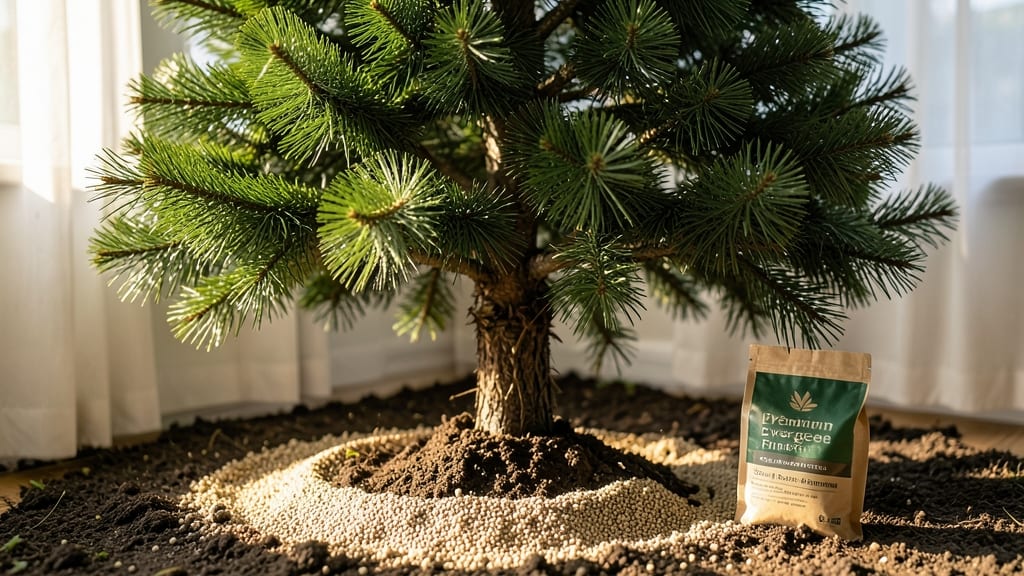
Tired of your Christmas tree shedding needles before the holidays even end? The secret to keeping those evergreen needles vibrant lies in the right fertilizer strategy—not just any feed, but slow-release options that work with your tree's natural cycle.
Apply a balanced, slow-release fertilizer (like 10-10-10 or 20-20-20) in early spring when new growth begins. This timing ensures nutrients are available when your tree needs them most, preventing the premature needle drop that often happens during dry indoor holiday conditions. For potted trees, mix fertilizer into the soil, while in-ground trees benefit from a ring of granules around the drip line. Avoid quick-release fertilizers—they can cause nutrient spikes that stress the tree.
This approach isn't just for holiday trees; it's perfect for gardeners who want their evergreens to thrive year-round, whether used indoors or outdoors. With consistent feeding, you'll see fuller foliage and fewer brown needles during your most important seasonal displays. 🌟
Seasonal Pruning Timing Guide
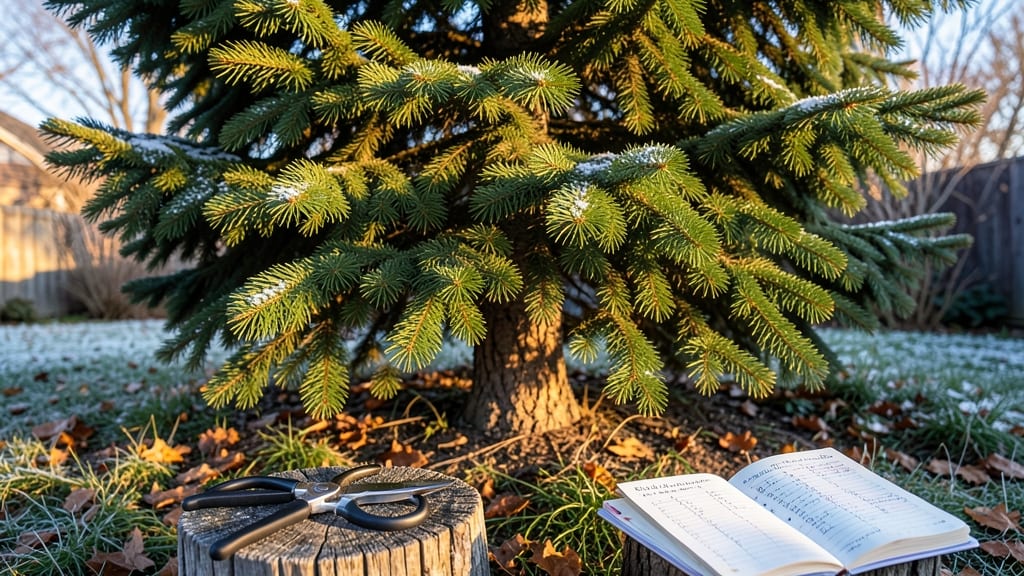
Timing your pruning by the season is the secret to keeping your Christmas tree healthy and ready for holiday cheer year after year. Unlike one-size-fits-all advice, the best months depend on your climate—late winter or early spring for most regions, but late fall for warmer areas like Southern California.
In cool climates, prune in February or March to remove winter-damaged branches and encourage fresh growth before summer. For mild climates, late fall (October-November) prepares trees for holiday decorations while avoiding stress during heatwaves. Always avoid pruning in summer, as this stresses trees during peak growth.
This seasonal approach ensures your tree stays lush, supports decorations well, and remains a centerpiece for decades. 🌟
Pruning for Ornament Weight Support
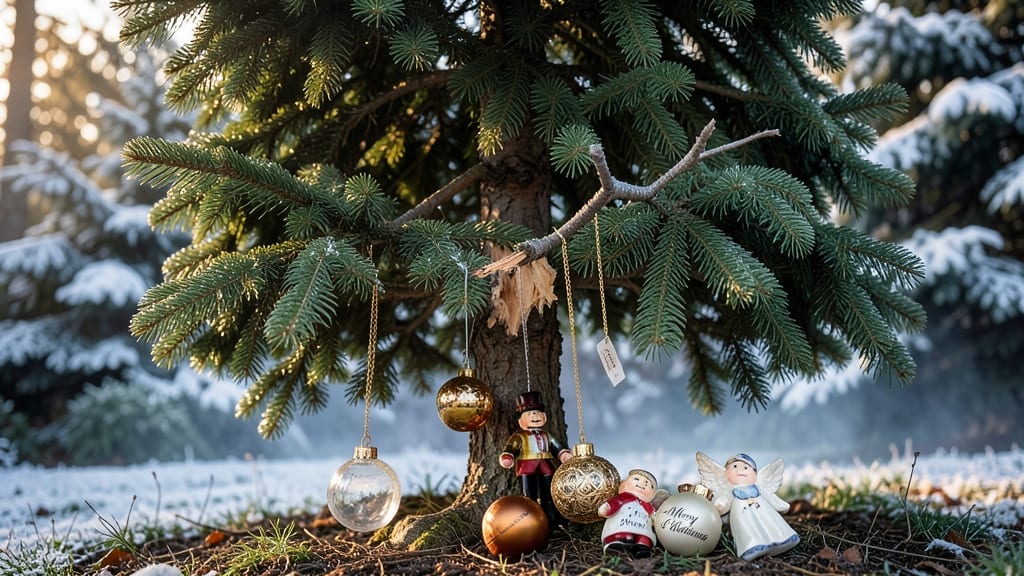
Nothing ruins holiday cheer faster than a snapped branch under the weight of your favorite ornaments. Pruning for ornament weight support is the secret to keeping your Christmas tree sturdy year after year, ensuring your heaviest decorations stay securely in place.
Focus on removing weak, crossing, or inward-growing branches—these are the first to break under holiday stress. Aim to leave branches spaced about 6-12 inches apart along the main stem, creating a scaffold that distributes weight evenly. For trees used annually, prune in late winter or early spring when the tree is still dormant but before new growth begins. This timing allows the tree to heal before the holiday season.
This technique isn’t just for seasoned gardeners—it’s especially valuable for potted Christmas trees or those with dense foliage, where ornament weight can cause irreversible damage. With a little strategic pruning, your tree will stand tall and proud through every holiday season. 🌟
Natural Pruning Techniques Without Tools
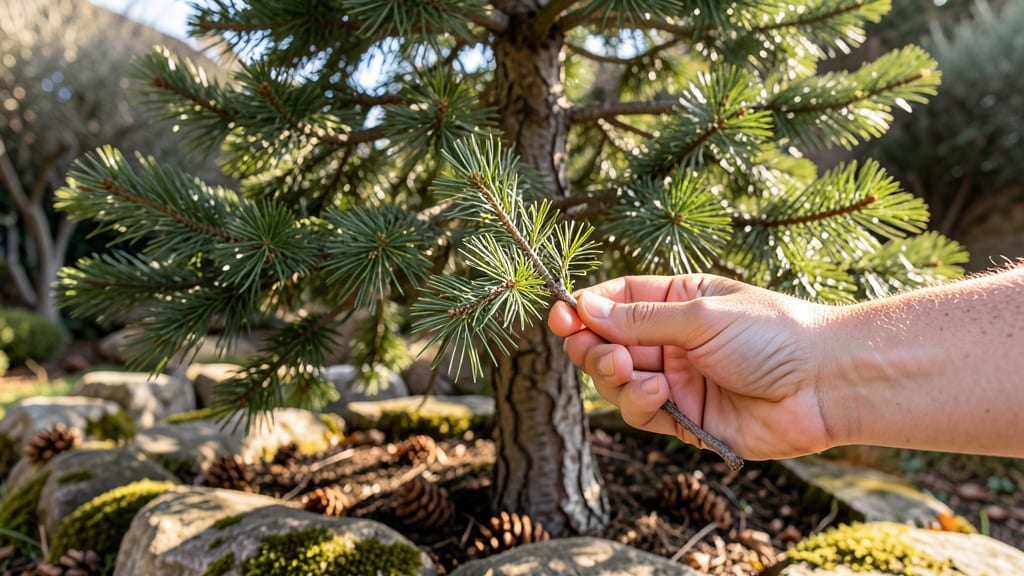
Skip the pruners and let your hands guide your Christmas tree's growth—this gentle, tool-free method works wonders for small trees and minimalist gardeners. By using just your fingers and keen observation, you can shape branches while teaching your tree to grow stronger naturally.
Start by identifying thin, weak branches that cross or rub against others—they’re prime candidates for removal. Pinch them between your thumb and forefinger just above a leaf bud or outward-facing branch to encourage new growth. For larger branches, use a twisting motion to break them cleanly at the base without tearing the bark. Focus on inner branches that block light to improve air circulation and needle retention.
This approach is perfect for urban gardeners with limited space or those who prefer a low-impact, sustainable method. Over time, your tree will develop a natural, balanced shape while requiring less aggressive pruning later. 🌱
Reviving Over-Pruned Christmas Trees

Even the most careful gardeners can over-prune a Christmas tree—whether it's a single aggressive cut or years of heavy trimming. The good news? With the right recovery steps, your tree can bounce back stronger than ever, ready for future holiday seasons.
Start by watering deeply every 2-3 days for the first month to encourage root and new growth. Apply a balanced, slow-release fertilizer (like 10-10-10) to replenish lost nutrients, focusing on the root zone. Prune back any remaining dead or overly thin branches to redirect energy to healthy growth, and avoid heavy pruning for at least 6 months to let the tree recover.
This approach works best for potted Christmas trees or those in-ground, but container-grown trees may need extra care with root-pruning to prevent circling roots. With patience, your tree can regain its full, festive shape—just in time for next year's decorations! 🌱