
Container Gardens
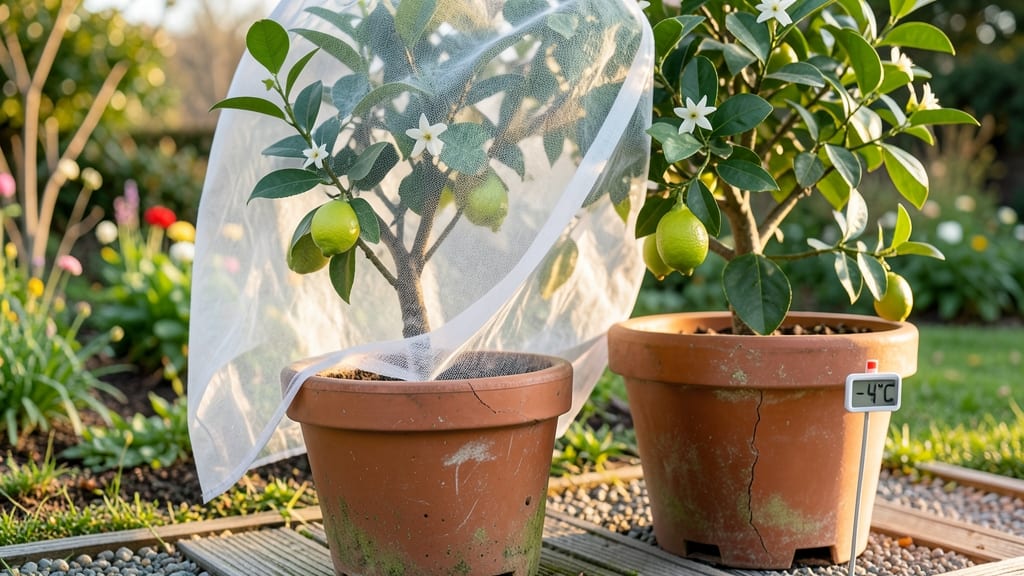
Yes, you can grow a lemon tree in Illinois using cold-hardy varieties like 'Meyer' or 'Improved Meyer,' but they need winter protection and indoor overwintering in zones below 8. Container growing provides mobility for colder climates, while south-facing walls can create microclimates that extend outdoor growing seasons.
Illinois' winter temperatures—often dropping below 0°F—pose a serious challenge for citrus trees, which typically thrive in zones 9-11. 🌱 However, cold-hardy varieties like 'Meyer' lemons can survive down to 20°F with proper protection. The key lies in understanding your specific hardiness zone and adjusting care practices accordingly.
For example, gardeners in northern Illinois (zones 5-6) will need to bring potted trees indoors completely, while those in southern Illinois (zones 7-8) might get away with heavy mulching and protective coverings.
Container cultivation is particularly effective in Illinois because it allows you to move trees to sheltered locations during cold snaps. I've seen success with 15-20 gallon pots filled with well-draining soil mix, which helps prevent root rot—a common issue in Illinois' wet springs.
When selecting a variety, look for trees labeled as "cold-hardy" or "dwarf," as they're better equipped to handle our climate's extremes. The trade-off? These varieties may produce slightly smaller fruit, but the satisfaction of growing lemons in Illinois makes it worthwhile.
💡 In This Article
- Illinois Climate Zones and Lemon Tree Survival
- Best Cold-Resistant Lemon Varieties for Illinois Gardens
Illinois climate zones and lemon tree survival
Illinois spans USDA hardiness zones 5-8, where winter temperatures regularly dip below -10°F in northern regions and only occasionally drop below 10°F in the south.
Most citrus trees, native to zones 9-11, suffer from chilling injury when exposed to temperatures below 32°F—a condition where cell membranes rupture, causing brown, mushy tissue and eventual death.
The root systems of citrus trees are particularly vulnerable because they're less insulated than above-ground growth, making Illinois' freeze-thaw cycles especially damaging.
The science behind this involves a process called dormancy. Unlike deciduous trees that enter dormancy naturally, citrus trees remain metabolically active year-round.
When temperatures drop below 28°F, their cells begin to freeze, and the ice crystals form within the cell walls rather than outside them (a condition called intracellular freezing). This disrupts nutrient transport and causes irreversible damage.
Illinois' unpredictable spring thaws also create stress—roots that have just begun to thaw can be shocked by sudden cold snaps, leading to poor establishment and stunted growth.
For successful lemon tree cultivation in Illinois, you'll need to mimic the tree's native subtropical conditions as closely as possible. This means providing consistent warmth during winter months, typically achieved through indoor overwintering in zones 5-6.
In zones 7-8, heavy mulching (using 4-6 inches of straw or wood chips) can help insulate the soil and protect roots. The key is maintaining soil temperatures above 40°F—any colder, and root activity slows dramatically, weakening the tree's ability to support new growth in spring.
Microclimates play a crucial role in extending outdoor growing seasons. South-facing walls absorb and radiate heat, creating zones that can be 5-10°F warmer than the surrounding area.
I've observed that placing container-grown lemon trees against such walls can push their hardiness by 1-2 zones, allowing them to survive brief dips into the 20s°F.
However, even these protected trees will need additional insulation during prolonged cold snaps, such as wrapping the pot in bubble wrap or using frost blankets.
Another critical factor is the timing of temperature fluctuations. Citrus trees are sensitive to rapid temperature changes, which can cause physiological stress even if individual temperatures stay above freezing.
For example, a sunny 60°F day followed by a 15°F night can stress the tree more than a steady 25°F cold snap. This is why container cultivation offers an advantage—you can move trees to sheltered locations before cold fronts arrive, giving them time to acclimate gradually.
What most Illinois gardeners don't realize is how humidity levels interact with cold tolerance. Citrus trees prefer 40-60% humidity, but dry winter air (common in Illinois) increases transpiration stress. When leaves lose moisture through evaporation, the tree's cells become more susceptible to freezing damage.
Using a humidifier near overwintering trees or misting leaves occasionally can help mitigate this effect, especially in heated indoor environments where dry air is prevalent.